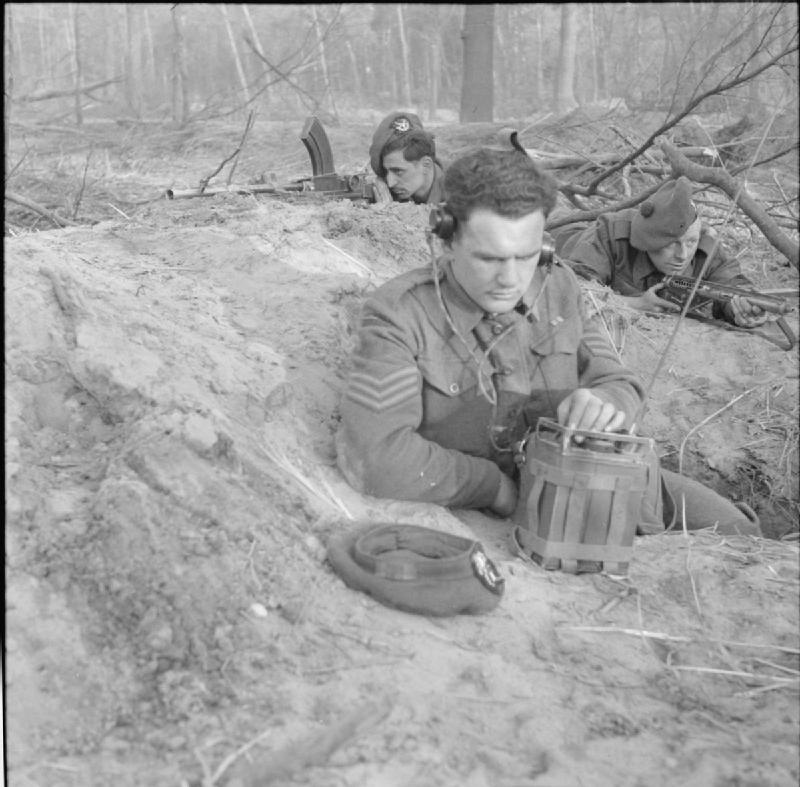
The Wireless Set No. 38 was one of the most recognisable British Army portable radios of the Second World War. It was designed primarily for infantry communications and became widely used from 1942 onwards. The radio was a compact, man-portable, valve-operated transmitter and receiver which allowed infantry soldiers to communicate over relatively short distances.
It was designed by Murphy Radio and manufactured by British companies including Murphy and Radio Gram Developments.
Applications included:
- Communication between infantry platoons and company headquarters.
- Patrol communications.
- Communication between infantry and armoured vehicles.
- Forward observation and battlefield communications.
Specification
| Specification | Details |
|---|---|
| Introduction | 1941–42 |
| Frequency coverage | 7.3–9 MHz |
| Operating mode | AM voice |
| Transmitter output | 200 mW |
| Valves | 5 |
| HT supply | 150 volts |
| LT supply | 3 volts |
| Aerial | 4 ft or 12 ft rod |
Versions
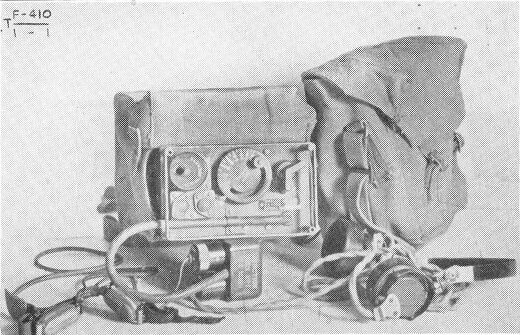
There were several versions:
- WS 38 Mk I: The original production version, with some differences in battery arrangement and connections.
- WS 38 Mk II: The best-known version, incorporating improvements to the original design.
- WS 38 Mk II*: Included an improved oscillator tracking circuit.
- WS 38 Mk III: A later, tropicalised version with an improved enclosure, intended for more demanding environments.
I once owned a WS 38 set but had no luck with getting it working. I was in my early teens and didn’t really know what I was doing! Sadly, I sold the radio.