
Your radio was working well but it suddenly died. So, what do you do? You come to the conclusion that’s it’s probably a valve. It’s always a faulty valve, isn’t it? What else could it be? Armed with a screwdriver, you make your first mistake...
MISTAKE No 1.
You take the back off the radio.
Your first mistake could be fatal. There are high voltages inside your radio which are extremely dangerous and can kill.
MISTAKE No 2.
You look at the valves and decide that one or more are faulty because they’re not lighting up.
Your second mistake is to assume that all valves light up brightly. Some perfectly good valves hardly light up at all so the absence of a warm glow means nothing.
MISTAKE No 3.
One or more valves might look black inside, or silvery like a mirror, so you conclude that they need replacing.
Your third mistake is understandable. Surely, a good valve won’t look burnt and black inside the glass? Look at the photos below... Despite their appearance, they are all perfectly good valves.
- TOP OF VALVE BLACKENED
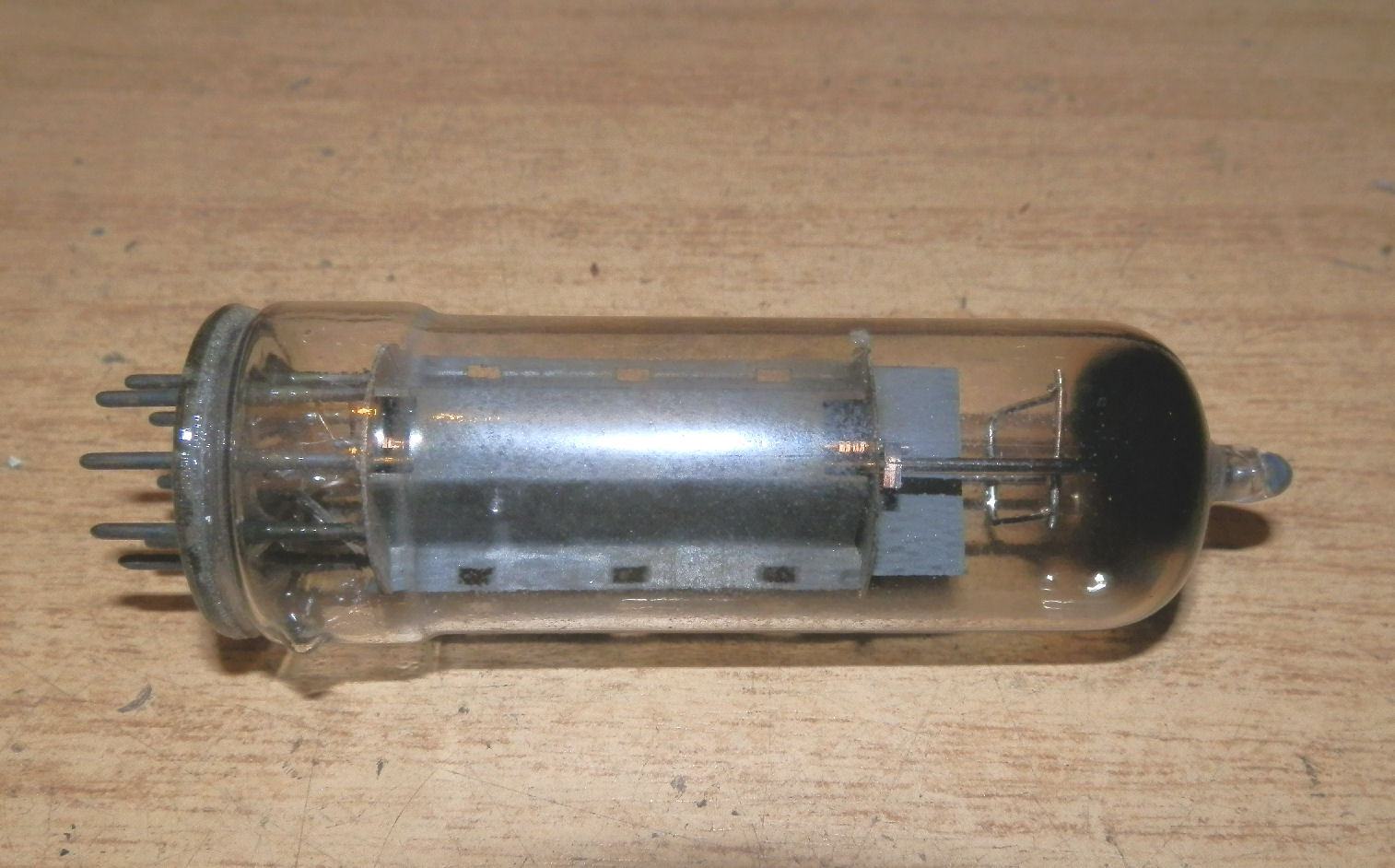
- VALVE BURNT INSIDE
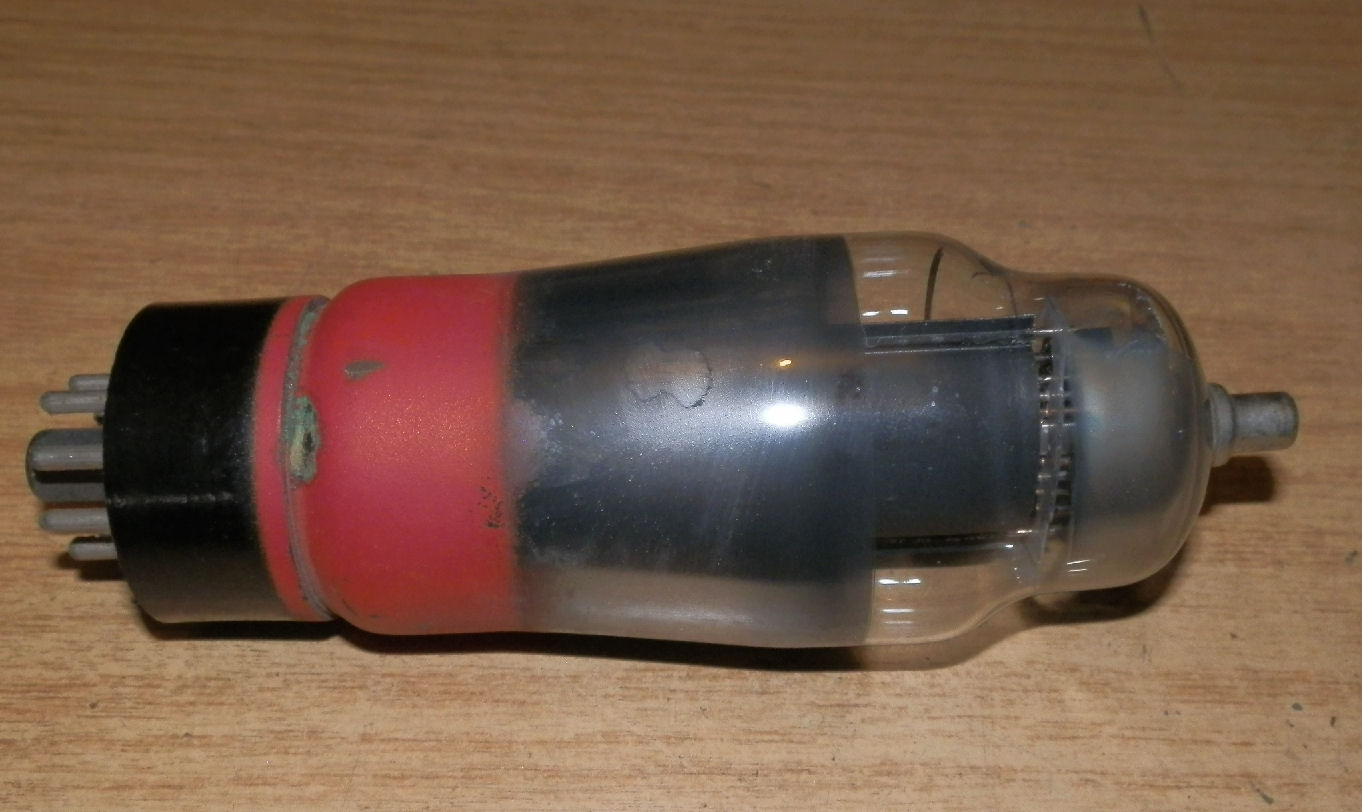
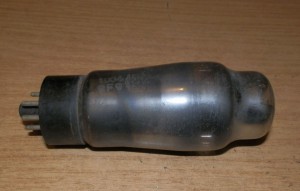
- VALVE TURNED SILVERY INSIDE
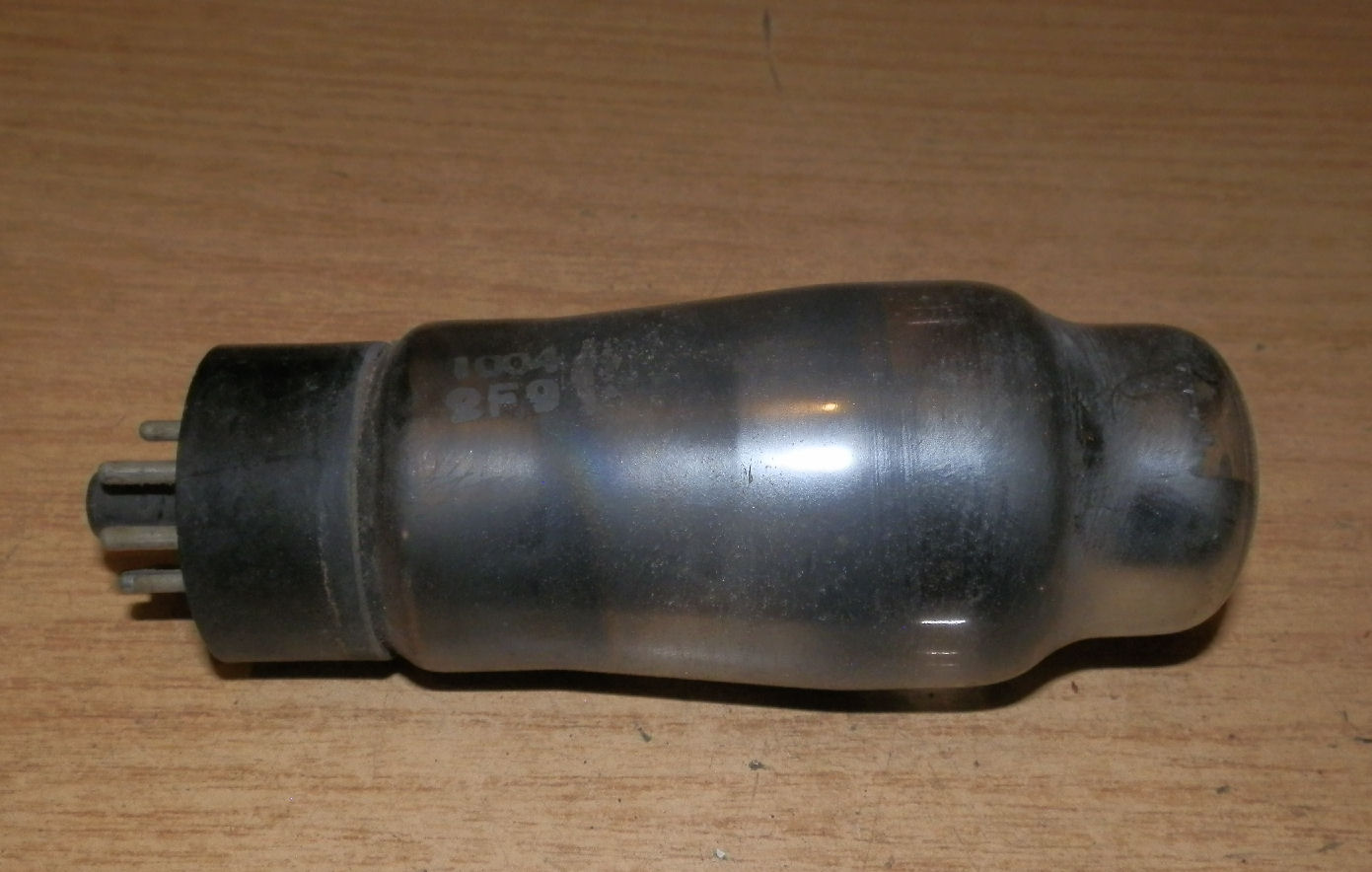
I’ve known people replace all the valves in their radio for one or more reasons I’ve mentioned and, to their surprise, and cost, the radio still didn’t work. Even a valve which rattles can work perfectly well. Having said that, valves shouldn’t be tapped, hit or rattled. There’s one more mistake people make, and that’s swapping the valves around in an effort to miraculously bring the radio back to life. All valves are different and this action could result in damaging what were perfectly good valves.
Rather than replace valves in the vein hope of getting your radio working, why not join my Members Website? You will learn how to read circuit diagrams, identify and test components, trace faults, check voltages… and replace valves if necessary.
Please note: I do not stock or sell valves. There are plenty of online sellers.